


Review Local Amenities and Convenience
Neighborhood amenities play a major role in daily comfort. Look for access to grocery stores, schools, hospitals, parks, restaurants, and entertainment. Convenient services reduce commute time and support a balanced lifestyle. A location that matches your routine creates long-term satisfaction.
Understand Transportation and Commute Times
Commute length can impact your overall quality of life. Review public transportation options, major roadways, and typical travel times to work or school. Easy transportation access increases neighborhood appeal and can benefit long-term property value.
Research Market Trends and Property Values
Study pricing trends, rental demand, and long-term appreciation patterns. A stable or growing housing market signals confidence for buyers and investors. Understanding local values helps you choose a neighborhood that supports financial growth and reduces risk.
Observe Community Environment and Safety
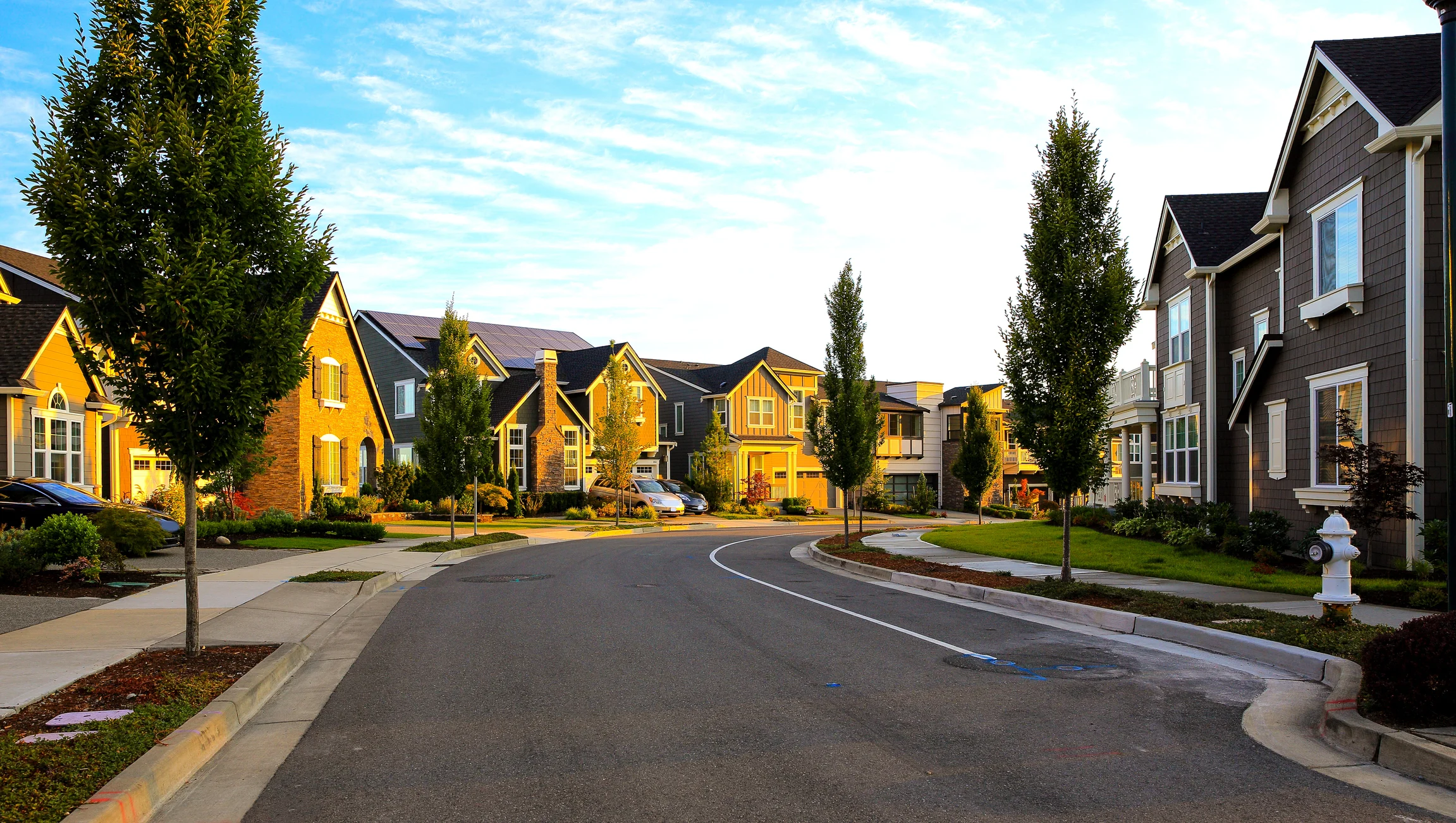
Visit the neighborhood at different times of the day. Notice noise levels, street activity, and overall cleanliness. Talk to residents and ask about maintenance, safety, and community engagement. A well-kept and friendly environment increases comfort and long-term satisfaction.
Evaluate Schools and Education Options
Even if you don’t have children, school quality influences property values and resale demand. Neighborhoods with strong educational institutions often attract more buyers and support price stability over time.
Consider Lifestyle and Future Development
Think about how the neighborhood fits your long-term lifestyle. Check for planned infrastructure, business districts, or residential growth. Future development can improve property values and create new amenities, but excessive construction may affect noise and traffic.

Join The Discussion