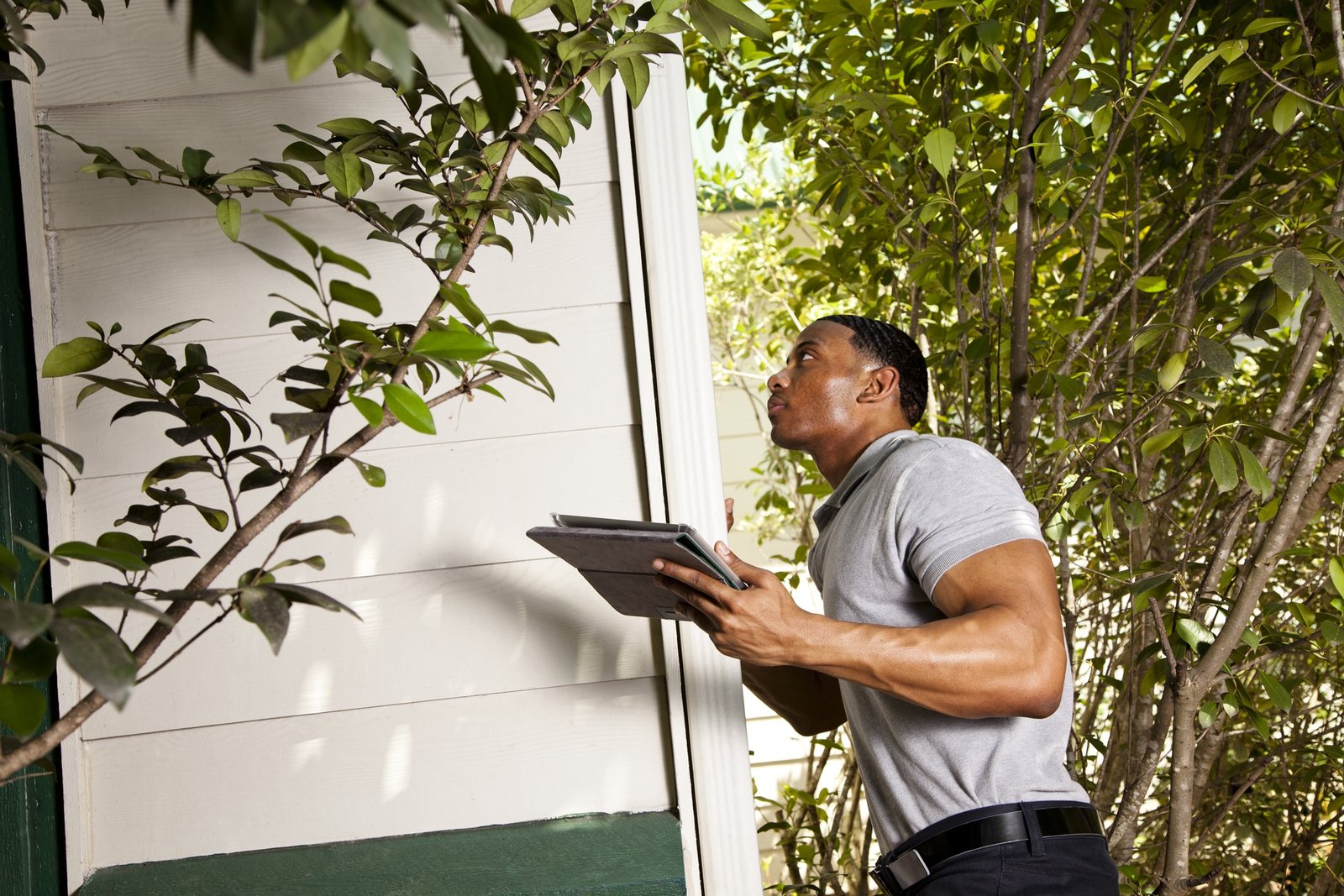
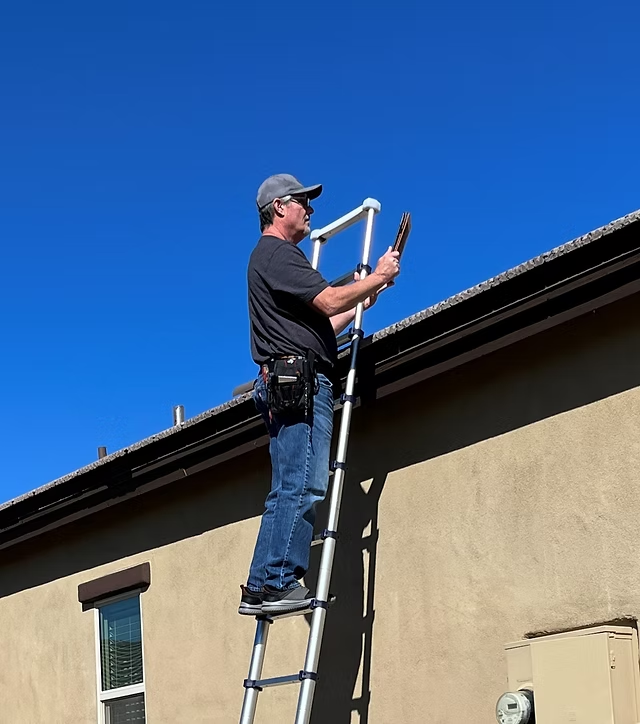
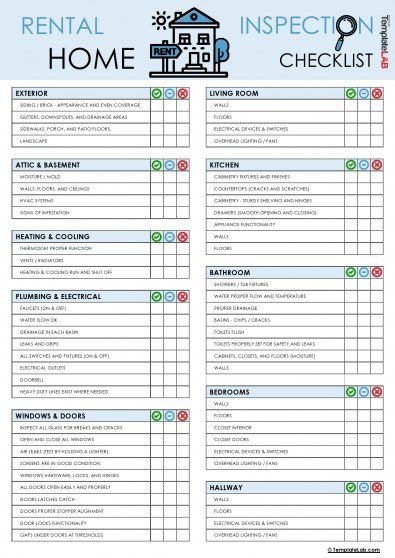
A home inspection is a detailed evaluation of the property’s physical condition. The inspector reviews key areas such as the roof, foundation, plumbing, electrical systems, heating and cooling equipment, and overall structural safety. The goal is to identify visible defects and safety concerns—not to approve or reject the home, but to help you understand what you are buying.
Why Inspections Matter for Buyers
Inspections help reveal issues that may not be obvious during a showing. Findings might include moisture problems, outdated wiring, or necessary roof repairs. This information allows you to decide whether to move forward, request repairs, or negotiate costs. An inspection reduces uncertainty and supports smarter financial decisions.
Reviewing the Inspection Report
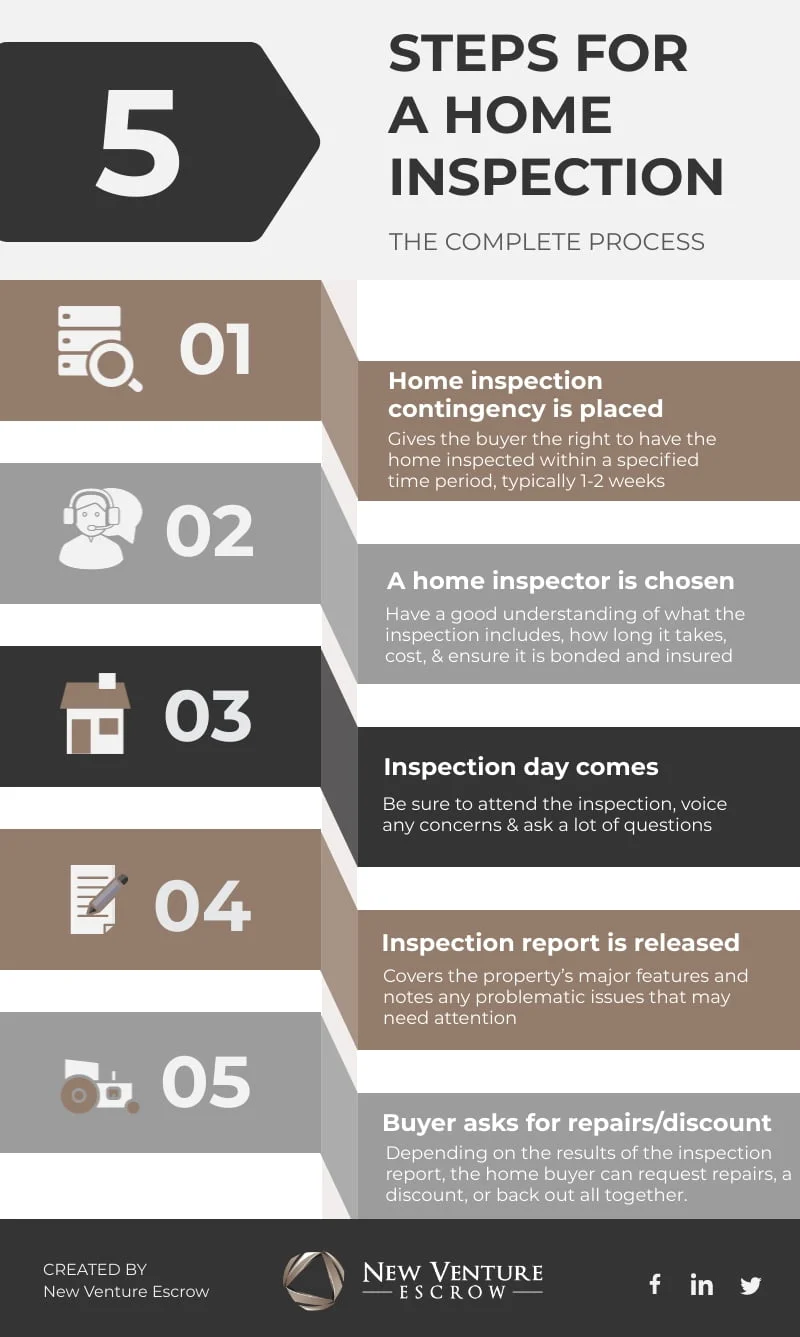
After the inspection, you receive a written report detailing observations, photographs, and recommendations. Review the document carefully and focus on major concerns rather than cosmetic issues. The report helps you prioritize repairs, estimate expenses, and discuss solutions with the seller before closing.
Negotiating After the Inspection
Inspection results can influence negotiations. Buyers may request repairs, ask for repair credits, or proceed “as-is” based on the findings. The goal is not to demand perfection but to ensure that you understand the condition and future costs associated with the property. Clear communication supports a smoother agreement.
When Additional Inspections Are Helpful
In some cases, a general home inspection recommends further evaluations—such as roofing specialists, structural engineers, pest inspectors, or sewer line assessments. These additional reviews provide deeper clarity on issues that require expert confirmation. Taking this step protects long-term value and prevents costly surprises.



Join The Discussion